
vip@litongglass.com
+86 16632961602

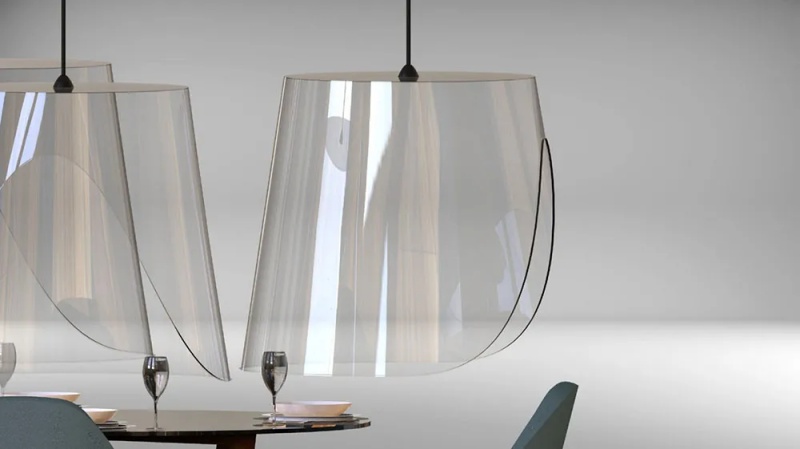
Plexiglass can be used to stop the spread of viruses
Chemist and inventor Otto Rohm first proposed the concept of plexiglass in 1901, but by 1933 Rohm & Haas introduced it to the market under the trade name "Plexiglas", a lightweight and shatter-resistant alternative to glass with a long history and multiple functions. Today, plexiglass continues to be used in more new areas as a potential strategy to stop the spread of the virus, and restaurants, stores and other businesses have begun to use this material as a protective material for employees and customers. Next, we will discuss in depth the study of this particular material, its characteristics, its history, and how it is used today.
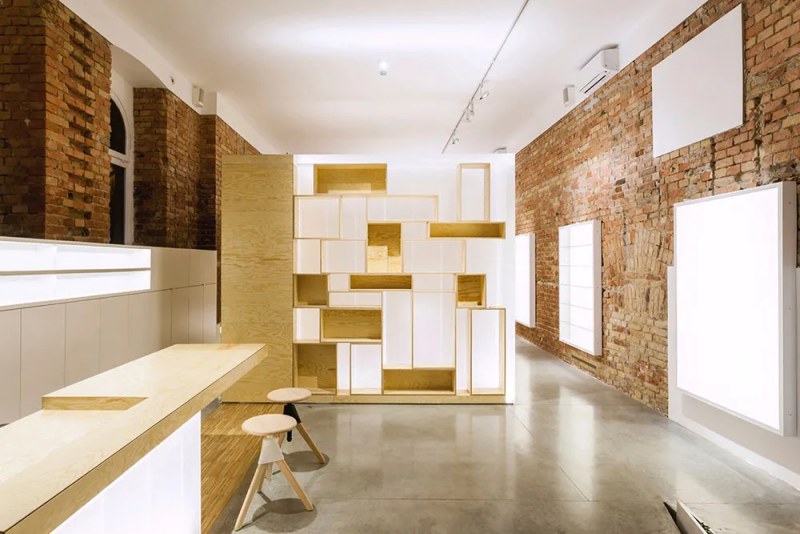
Plexiglass is also known as acrylic, acrylic glass, more precisely, should be methyl methacrylate (PMMA), which is a transparent petroleum-based thermoplastic, made of sheets, which is also a strong and lightweight material, has better impact strength than glass, so it can be suitable for outdoor applications, compared with most other plastic products, this material has better environmental stability, in addition, its service life is also very long, It has a high degree of light transmission efficiency and a simple production process. However, plexiglass products rarely use pure PMMA and instead adjust the material to further optimize performance. Adjustment steps include adding butyl acrylate to increase its impact strength, adding methacrylic acid to enhance its high temperature resistance, adding dyes to give it rich color, and so on.
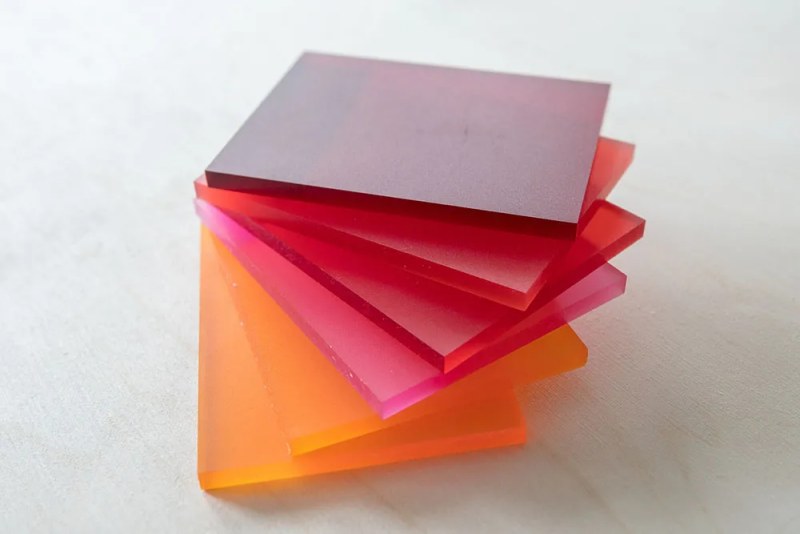
In the early last century, after the invention of plexiglass, this material was quickly used in different fields, including instrument shells, watches, glasses, and tableware, etc., manufacturers such as Rohm & Haas, and the British Chemical Empire Industries Company under the trade name "Perspex", as well as DuPont in the United States, under the brand name "Lucite". During World War II, plexiglass materials were used in aircraft cockpits, and the overall plexiglass industry developed rapidly. For example, during this time, the number of employees at Rohm & Haas increased tenfold, and in the post-war period, plexiglass was more used in the construction sector, including lighting advertising, glass roofing, façade design, and more. By the 60s and 70s of the last century, plexiglass also began to be involved in the field of sanitary facilities and greenhouse windows.
And today, the application range of plexiglass is becoming more and more widespread, it is a subsion to transparent glass, so it is often used in aquariums, submarine observation mirrors, car lenses, sports field protective layers, aircraft windows, explosion-proof police cars, lighthouse lenses and other products, in addition, It is also used in many medical fields, such as surgery, dental materials, glasses, etc.

In architecture, plexiglass can be used as windows, it has the characteristics of easy maintenance, high strength, and good weather resistance, so it is often used in skylights, and at the same time, they are often used in bathrooms, because they need to be anti-slip and shatterproof, which can effectively reduce the potential risk of injury, and these advantages also make plexiglass a very useful furniture material, such as shelves, chairs, and tabletops. Finally, plexiglass is also found in more specialized architectural applications, such as its light transmission, resistance to breakage, weather resistance, and resistance to dirt and dirt, making it an ideal material for greenhouses and solar panels.
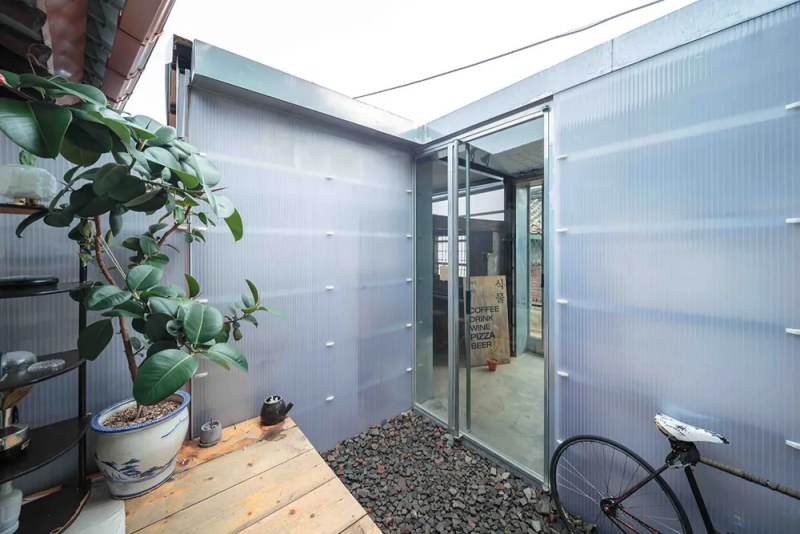
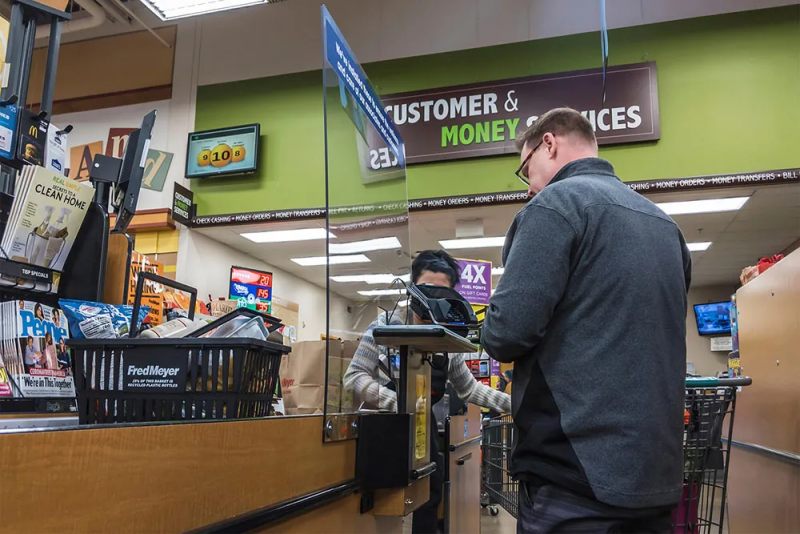
The World Health Organization recommends that food markets and grocery stores can use plexiglass as a material for display cases to display baked goods instead of directly displaying unpackaged food, while grocery stores and pharmacies also install transparent plexiglass panels at checkouts to prevent the spread of the virus between employees and customers. Businesses are gradually resuming work, the frequency of use of plexiglass is gradually increasing, and some companies even plan to add dividers between desks and sinks. Plexiglass is also used in restaurants, cinemas, and nail salons to reduce direct contact between people.
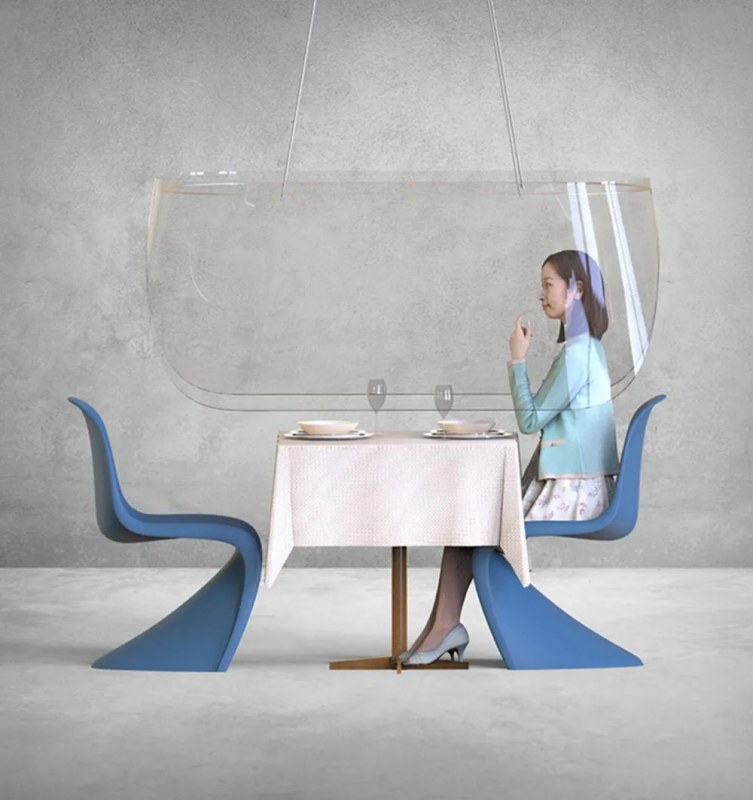 These plexiglass partitions come in many forms, some are simple dividers that can be applied between restaurant seats, and some design studios have also conceived efficient and beautiful plexiglass safety measures, for example, Christophe Gernigon Studio has designed a round plexiglass protective cover called "PLEX'EAT", which can be used in crowded environments and spaces to protect users, such as when people are eating in a restaurant. PLEX'EAT covers are installed right next to the tables to separate customers from each other, and can be installed at reception desks, conference room seats, classroom seats, and even casino seats.
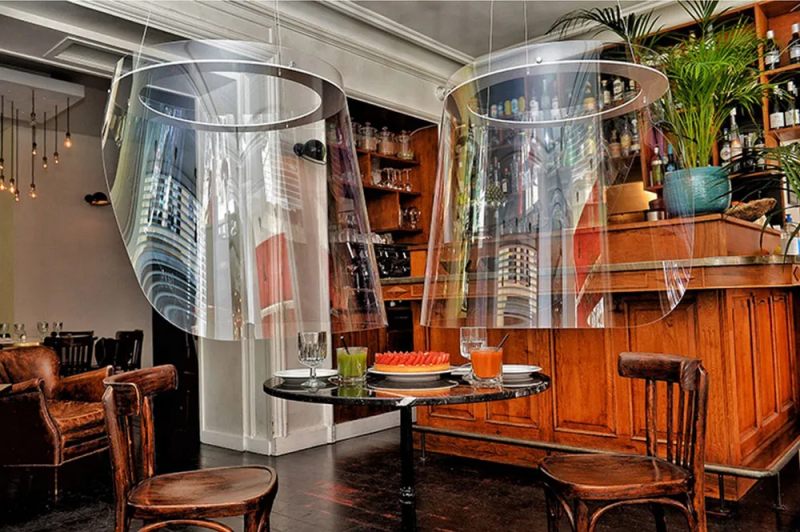
For more than a century, the application of plexiglass has been constantly changing to adapt to a variety of new needs, and the impact of the new coronavirus has made the world pay more attention to the hygiene environment in various occasions, not only for governments, but also for various enterprises, such as medical equipment companies, mask manufacturing companies, and plexiglass manufacturing companies. Today, the versatile properties of plexiglass have once again been demonstrated, and in the near future, this material will surely develop even more rapidly.
Name: Litong Glass
Mobile:+86 16632961602
Tel:+86 16632961602
Email:vip@litongglass.com
Add:Shahe city,Hebei,China