
vip@litongglass.com
+86 16632961602

1. Material and production defects: If the original glass is mixed with nickel sulfide crystals, stones and other impurities, it will expand in volume with environmental changes and damage the internal structure of the glass; Uneven heating or cooling during production will make the stress distribution of glass unbalanced, and the tensile stress of the middle layer is too large to self-explode, and the higher the degree of tempering, the greater the probability of self-detonation.
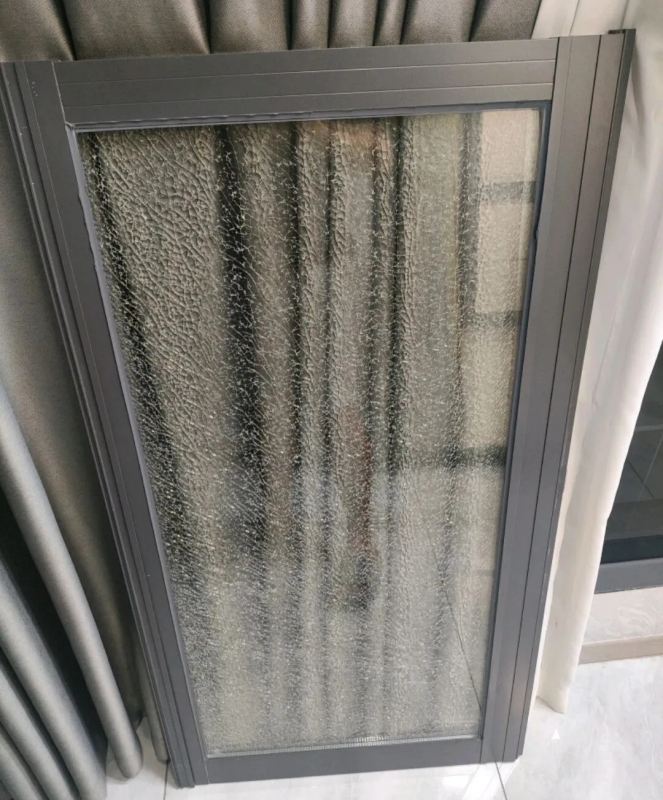
2. Surface and edge damage: During processing, transportation or construction, the surface and edge of the glass are prone to scratches, explosions and other defects, and these microcracks will become stress concentration points, which may expand rapidly under slight external forces or environmental influences, causing self-detonation.
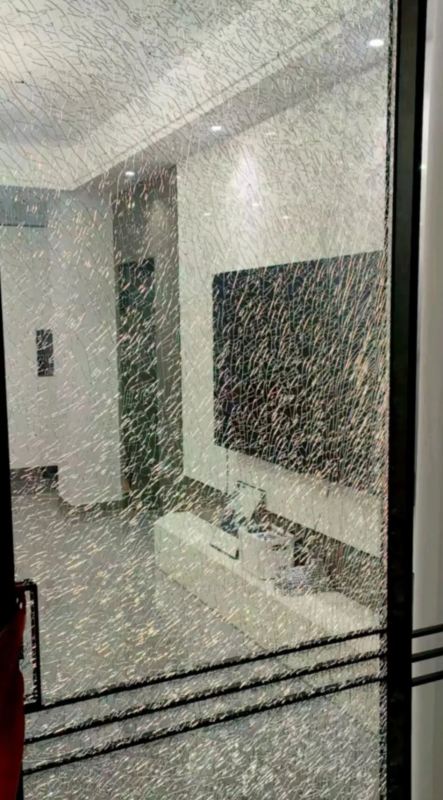
3. Influence of ambient temperature: When the temperature difference between indoor and outdoor is large (such as sudden rainstorm after summer exposure, and the indoor strong cooling air conditioner is turned on), the thermal expansion and contraction of the glass are uneven, and the stress generated exceeds the bearing limit; High temperature will also accelerate the change of impurities such as nickel sulfide and shorten the self-detonation latency period.
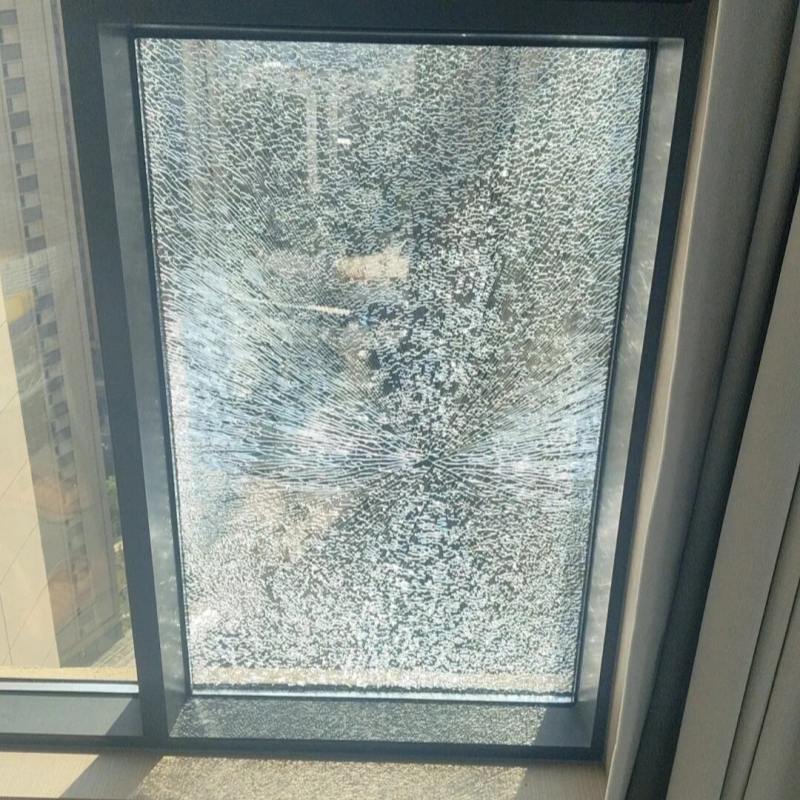
4. Installation and use problems: The frame is too tight and the gasket elasticity is insufficient during installation, which will cause the glass to be squeezed and accumulate stress for a long time; while glass with a large area and glass with a long service life and increased brittleness will also significantly increase the risk of self-explosion.
Name: Litong Glass
Mobile:+86 16632961602
Tel:+86 16632961602
Email:vip@litongglass.com
Add:Shahe city,Hebei,China